
Artist Spotlight & Signature Prototypes, Boutique Electronics & Tone Shaping, Custom Guitars, International Shipping & Global Logistics, The Bespoke Build Process (E-E-A-T), Tonewood & Material Science
Relic Guitars Are Booming in 2026: Why Players Want the Aged Guitar Look
Aug
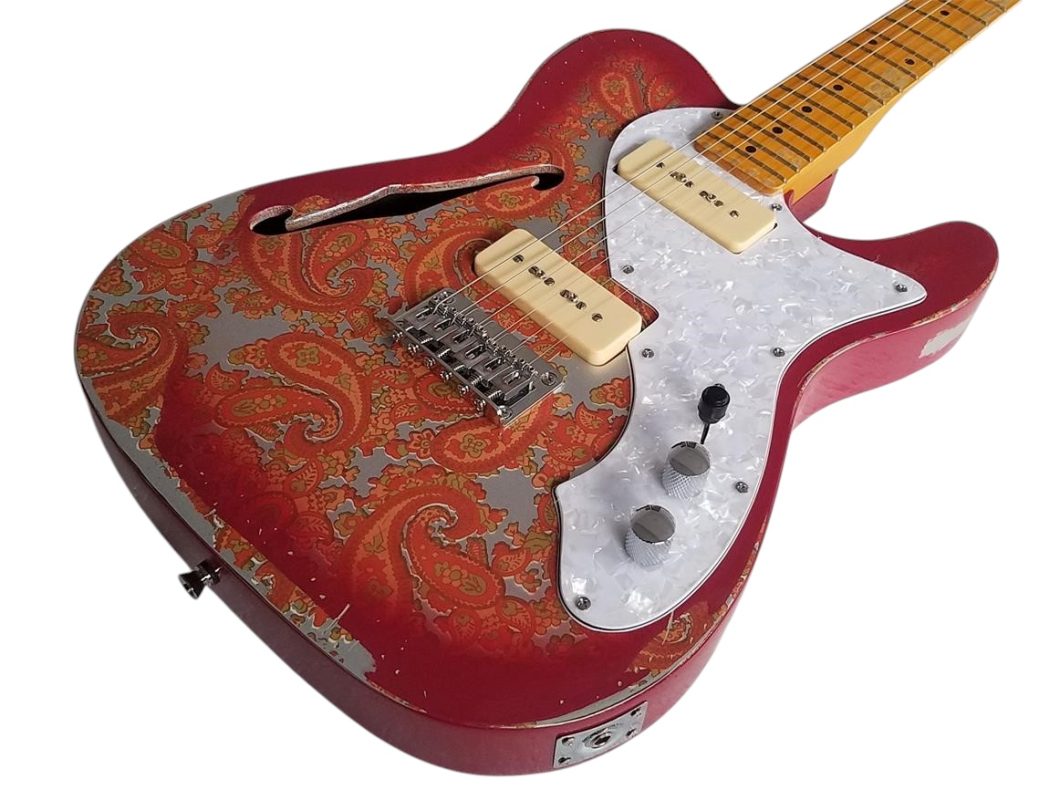
Walk into a guitar shop in 2026 and one of the biggest visual trends is impossible to miss: brand-new guitars that look anything but new.
Faded finishes. Worn edges. Checking in the lacquer. Tarnished hardware. Areas where the finish appears to have been rubbed away after years of gigs.
The relic guitar has moved well beyond a niche segment of the guitar market. Aged and distressed finishes are now appearing across instruments at dramatically different price points, from high-end custom-shop guitars to more affordable production models.
Recent industry activity shows just how much attention the aged-guitar aesthetic is receiving. In late July 2026, Harley Benton entered the category with a range of hand-aged electric guitars and basses, while major manufacturers and custom shops have continued developing their own interpretations of vintage wear.
But why would someone deliberately choose a new guitar that looks decades old?
The answer is about much more than scratches.
What Is a Relic Guitar?
A relic guitar is generally a newly manufactured or refinished guitar that has been intentionally aged to reproduce some of the visual characteristics associated with an older, heavily played instrument.
Depending on the desired result, the aging treatment may include:
- Finish checking
- Paint wear
- Edge wear
- Small dents and marks
- Aged or oxidized-looking hardware
- Discoloration
- Pick wear
- Neck and fingerboard wear
- Dulling of formerly glossy surfaces
The objective is usually not to make the guitar appear damaged.
A convincing aged guitar attempts to create the impression that the instrument has accumulated character through years—or even decades—of use.
That distinction has become part of the current guitar conversation. Gibson’s Mark Agnesi recently emphasized a distinction between simply “relic’ing” an instrument and carefully aging one to reproduce the characteristics of an authentic vintage guitar.
Whatever terminology a player prefers, the growing interest points toward the same thing:
Many guitarists want instruments with history, personality and individuality—even when the instrument itself is new.
Why Are Relic Guitars So Popular in 2026?
1. Every Guitar Can Look Individual
A perfectly finished production guitar may be beautiful, but two instruments from the same model line can look nearly identical.
Aged finishes introduce variation.
The position of the wear, finish checking, exposed wood, hardware aging and other details can give an instrument its own visual identity.
For players already considering a custom guitar, that individuality is especially attractive.
Instead of selecting only a body color, a player can think about an entire visual concept:
Should the guitar look lightly played for 10 years—or like it has survived 40 years of touring?
That transforms the finish itself into part of the design.
2. The Vintage Look Without Buying a Vintage Instrument
True vintage guitars can command extraordinary prices.
They can also introduce concerns involving originality, previous repairs, worn components, fret condition, electronics, neck stability and long-term preservation.
An aged modern guitar offers a different proposition.
A player can pursue a vintage-inspired appearance while still specifying modern features that suit contemporary playing.
That could include choices such as:
- Modern neck profiles
- Different fret sizes
- Stainless-steel frets
- Contemporary pickups
- Locking tuners
- Modern tremolo systems
- Customized wiring
- Alternative scale lengths
- Personalized inlays
This combination of old-school appearance and modern performance is one reason the custom-guitar format is particularly well suited to the trend.
3. Players Are Becoming More Comfortable With a Guitar That Already Looks Used
One subtle benefit of an aged finish is psychological.
The first scratch on a flawless new guitar can be painful.
On an intentionally aged instrument, another small mark may simply become part of the guitar’s evolving appearance.
For musicians who regularly perform, rehearse, travel or record, that can make the instrument feel less like an object that must remain untouched and more like a working musical tool.
4. The Guitar Industry Is Exploring Multiple Levels of Aging
Not every aged guitar needs to look heavily distressed.
One of the most interesting aspects of the current trend is the range of aging levels now available in the market.
A player might prefer:
Light Aging
Subtle finish checking, mild hardware aging and limited wear.
This works well for someone who wants the impression of a carefully maintained older instrument.
Medium Aging
More obvious wear around commonly contacted areas, additional finish checking and stronger hardware patina.
Heavy Aging
Extensive finish wear, exposed areas of wood, pronounced checking and heavily aged hardware.
Recent products have explicitly offered variations such as light-aged and heavy-aged treatments, showing that manufacturers increasingly recognize that guitarists want different levels of vintage character rather than a single relic formula.
Relic Guitar vs. Aged Guitar: Is There a Difference?
The terms are frequently used interchangeably, but there can be a philosophical difference.
Relic often describes the intentional creation of wear on a newer instrument.
Aging can imply a more detailed attempt to reproduce how a particular type of vintage instrument would realistically change over time.
The distinction has become particularly topical in 2026 as builders and industry figures discuss whether convincing aging should simply look worn or should reproduce the patterns, textures and feel associated with authentic vintage instruments.
For a custom-guitar customer, however, there is a more practical question:
What exactly do you want the finished guitar to look and feel like?
That specification matters more than terminology.
Does Relicing Change a Guitar’s Tone?
Aged appearance should not automatically be confused with tone.
The fundamental sound and response of an electric guitar involve many variables, including its construction, neck joint, scale length, hardware, pickups, electronics, setup and the interaction of its components.
A guitar should therefore not be selected solely because the finish looks vintage.
For a custom instrument, playability and musical function should be specified first.
Appearance should complement the instrument—not substitute for good design.
What Should You Specify When Ordering a Custom Aged Guitar?
This is where a custom project becomes particularly interesting.
Rather than simply requesting “a relic guitar,” consider defining the individual elements of the build.
Body Finish
Choose the base color and determine how much of that color should remain visible.
Would you prefer a lightly faded finish or extensive exposed areas?
Aging Level
Specify whether the overall appearance should be:
Light, moderate or heavy.
Reference photographs can be particularly useful for communicating the desired result.
Neck Appearance and Feel
Some players want the body aged but prefer the neck relatively clean.
Others prefer visible neck wear and a more broken-in appearance.
Remember that neck shape, nut width, fingerboard radius and fret dimensions are separate specifications from the cosmetic aging treatment.
Hardware
A bright new bridge and tuners can look visually inconsistent on a heavily aged body.
Players seeking a cohesive vintage aesthetic may therefore want the hardware appearance considered as part of the overall design.
Pickguard and Plastics
Knobs, pickup covers, binding and pickguards can contribute substantially to the appearance of an aged instrument.
Even subtle changes in coloration can affect the final look.
Modern or Vintage Specifications?
One of the biggest advantages of ordering a custom guitar is that you don’t necessarily have to choose between the two.
You might prefer a guitar that looks vintage but performs like a modern instrument.
For example, a player could combine an aged body aesthetic with a comfortable contemporary neck, modern fretwork and performance-focused hardware.
That contrast is part of what makes today’s custom-guitar landscape so interesting.
Are Relic Guitars Worth It?
There is no universal answer.
Relic guitars remain one of the more polarizing subjects in guitar culture. Some players love them. Others believe every scratch should be earned naturally.
And that debate is unlikely to disappear.
Industry builders themselves have acknowledged that much of the appeal ultimately comes down to personal preference rather than a rule about what a guitar “should” look like.
For a custom-guitar customer, that is precisely the point.
A custom instrument should reflect the player who will actually use it.
If you prefer a pristine gloss finish, build it pristine.
If you prefer an understated vintage appearance, keep the aging subtle.
If you want something that looks as though it has spent decades under stage lights, that becomes part of the creative brief.
There is no requirement that every guitarist appreciate the same aesthetic.
The Bigger 2026 Trend: Guitars Are Becoming More Personal
Relic guitars are ultimately part of a larger movement within guitar design.
Players increasingly think about their instruments not simply as standardized products but as combinations of sound, ergonomics, appearance and personal identity.
The 2026 Boutique Guitar Showcase at NAMM emphasized this broader direction, highlighting makers exploring ergonomics, materials, textures and new approaches to the player’s interaction with the instrument.
That is where custom guitar building has a distinct role.
The question changes from:
“Which production model is closest to what I want?”
to:
“What do I actually want my guitar to be?”
And that can involve everything from the neck profile and fretboard to the pickups, hardware, finish, inlays and aging treatment.
Build a Guitar Around Your Vision
Whether your ideal instrument is factory-fresh, subtly aged, vintage-inspired or completely unconventional, a custom guitar begins with defining the details that matter to you.
At Custom Guitar Atelier, we believe the most compelling instruments are those built around the player’s individual vision.
Your guitar does not have to look like everyone else’s.
It should look—and feel—like yours.
Have a custom guitar concept in mind? Contact Custom Guitar Atelier and tell us about the instrument you want to create.
SEO FAQ SECTION
I strongly recommend keeping this section on the published page because it naturally captures additional long-tail queries. Google currently supports Article structured data, although merely adding structured data does not guarantee a special search appearance.
What does relic guitar mean?
A relic guitar is generally a newer guitar that has been intentionally finished or aged to reproduce the appearance of an older, well-played instrument.
Why do people buy relic guitars?
Players may choose relic guitars for their vintage-inspired appearance, individuality, broken-in aesthetic and because they do not have to worry as much about preserving a flawless new finish.
Is an aged guitar the same as a relic guitar?
The terms are often used interchangeably. However, “aging” can sometimes describe a more detailed attempt to reproduce realistic vintage wear, while “relic” is a broader term for intentional wear or distressing.
Do relic guitars sound better?
A relic appearance by itself does not guarantee better tone. Construction, pickups, electronics, hardware, setup and many other factors are more important when evaluating an electric guitar’s sound and performance.
Can a custom guitar combine a vintage appearance with modern specifications?
Yes. One of the advantages of a custom build is the ability to combine a vintage-inspired visual concept with modern neck dimensions, fretwork, pickups, hardware and other performance-oriented specifications.